Bisabolol : A Cannabis Terpene
Share
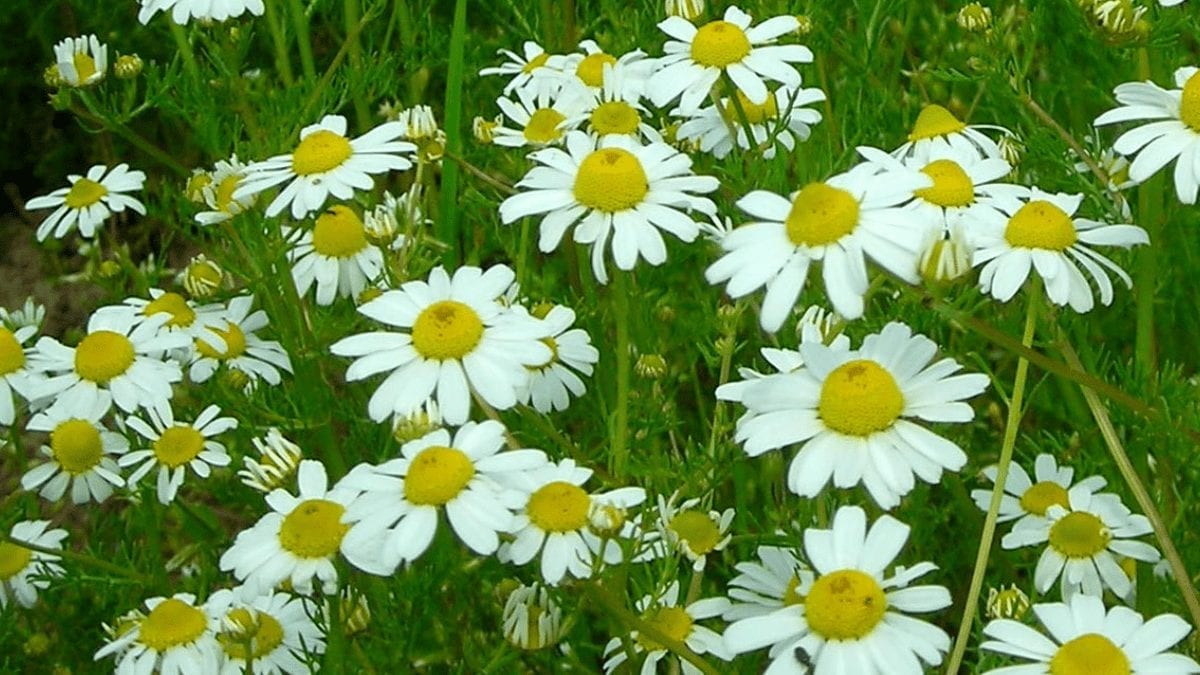
Bisabolol is also known as alpha-bisabolol or levomenol
Bisabolol, also known as alpha-bisabolol or levomenol, is a terpene that is found in a variety of plants, including German chamomile, the South American candeia tree, Myoporum crassifolium, and some poplar tree species. Bisabolol is a colorless liquid that has a mild, floral scent. It is a common component of essential oils and is used in a variety of applications, including aromatherapy, perfumery, and flavoring.
Bisabolol has a number of potential benefits, including:
- Anti-inflammatory effects
- Antimicrobial effects
- Antifungal effects
- Soothing effects
- Moisturizing effects
- Anti-aging effects
Bisabolol is generally considered to be safe for human consumption, but it is important to note that it can cause allergic reactions in some people.
German chamomile is the world’s leading source of bisabolol. It is a member of the daisy family and is native to Europe, Asia, and North Africa. German chamomile has been used for centuries for its medicinal properties. It is a popular ingredient in herbal teas and is also used in topical preparations for the treatment of skin conditions.
The South American candeia tree is a member of the legume family and is native to Brazil. The tree is known for its fragrant flowers, which are used to make essential oil. Bisabolol is the main component of candeia essential oil.
Myoporum crassifolium is a shrub that is native to Australia. The shrub is known for its fragrant flowers, which are used to make essential oil. Bisabolol is the main component of Myoporum crassifolium essential oil.
Some poplar tree species, such as Populus nigra, contain bisabolol in their leaf buds. The leaf buds are used to make essential oil, which is a source of bisabolol.
Bisabolol is a versatile terpene with a number of potential benefits. It is found in a variety of plants, including German chamomile, the South American candeia tree, Myoporum crassifolium, and some poplar tree species. Bisabolol is used in a variety of applications, including aromatherapy, perfumery, and flavoring.
Bisabolol Flavor and aroma:
Bisabolol’s aroma is light, fragrant, and floral, just like the chamomile flower. The flavor is almost imperceptible, but has a sweet, dry taste lightly hinting of apple cider.
What Bisabolol does:
Bisabolol is one of the most soothing cannabis terpenes. It’s an antioxidant, and is anti-inflammatory and anti-microbial as well as analgesic (meaning it relieves pain). It’s been suggested as a good cure for insomnia. Its companion plant, chamomile, is made into a tea which is traditionally a bedtime drink. Needless to say, it brings a big medicinal dose of calm to the entourage effect.
Bisabolol is used heavily in the cosmetics industry for its skin-care properties.
Where to find Bisabolol:
Strains of cannabis with a high bisabolol profile include:
- Harle-Tsu
- Pink Kush
- Headband
- OG Shark
- ACDC
- Rockstar
- Master Kush
Bisabolol Fun facts:
- Bisabolol is a compound found in chamomile, which has been used for centuries as a folk remedy for a variety of conditions.
- Chamomile is one of the oldest medicinal herbs known, and has been used to treat everything from eczema to osteoporosis to the common cold.
- Bisabolol is thought to have a number of beneficial properties, including anti-inflammatory, antimicrobial, and antioxidant effects.
- Bisabolol is also a popular ingredient in cosmetics and skin care products, due to its soothing and moisturizing effects.
Additional details about the history of chamomile and bisabolol:
- Chamomile is a member of the daisy family and is native to Europe, Asia, and North Africa.
- The first recorded use of chamomile as a medicinal herb dates back to ancient Egypt.
- Chamomile was used by the ancient Greeks and Romans to treat a variety of conditions, including inflammation, pain, and anxiety.
- Chamomile was also used by Native Americans to treat a variety of conditions, including digestive problems, skin conditions, and headaches.
- In the 19th century, chamomile was introduced to Europe and North America, and became a popular home remedy.
- Today, chamomile is still used as a medicinal herb, and is also a popular ingredient in cosmetics and skin care products.
Bisabolol is the main active ingredient in chamomile, and is thought to be responsible for many of its beneficial properties. Bisabolol is a sesquiterpene, which is a type of organic compound that is found in plants. Bisabolol has a number of beneficial properties, including:
- Anti-inflammatory effects
- Antimicrobial effects
- Antioxidant effects
- Soothing effects
- Moisturizing effects
Bisabolol is generally considered to be safe for human consumption, but it is important to note that it can cause allergic reactions in some people.
Share
Related Articles

What is broad spectrum CBD & why is it different from other CBD types?
-
Opportunities In CBD: How To Enter the CBD Market
-
Choosing the Best CBD Products for Your Business