Hemp
Share
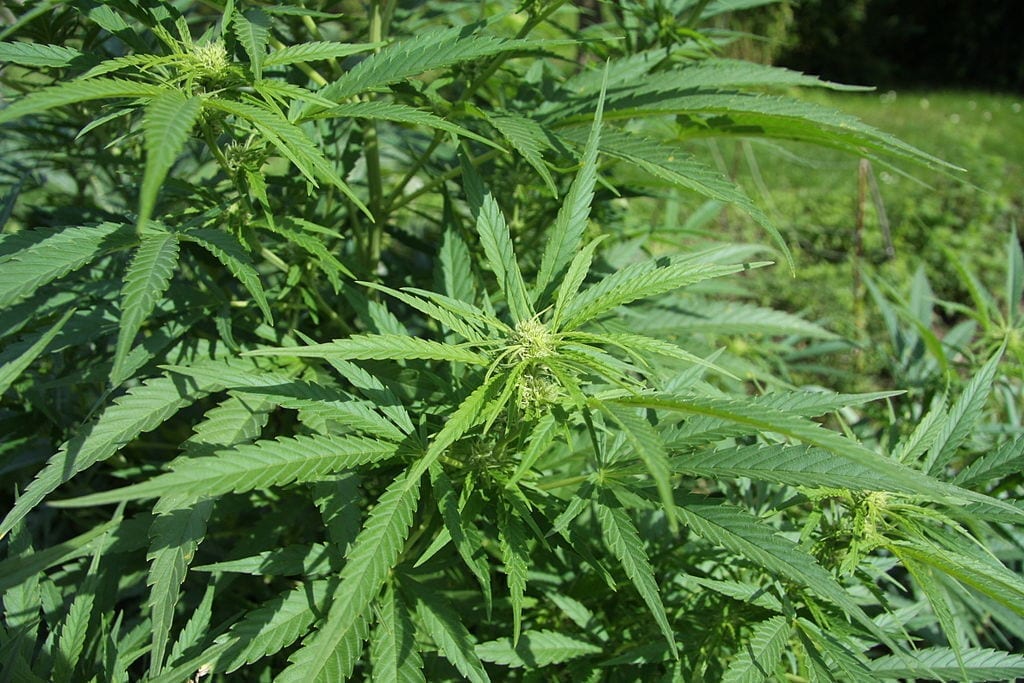
Hemp is a separate strain of cannabis, grown for its industrial uses as opposed to a psychoactive substance.
History of Hemp
Hemp is a versatile plant with a long and storied history. It is one of the oldest cultivated plants in the world, with evidence of its use dating back to at least 8000 BC. Hemp was first domesticated in Central Asia, and it quickly spread to other parts of the world.
Hemp is a member of the cannabis family, and it is closely related to marijuana. However, hemp contains very low levels of THC, the psychoactive compound that gives marijuana its mind-altering effects. This makes hemp a non-intoxicating plant that has a wide range of practical uses.
Hemp is a very strong and durable fiber, and it has been used to make a variety of products, including textiles, rope, and paper. Hemp was also used to make sails, canvas, and even clothing. In fact, the word “canvas” is derived from the word “cannabis.”
Hemp was an important crop in the United States for centuries. It was grown by Native Americans, and it was also grown by early settlers. George Washington and Thomas Jefferson were both known to grow hemp, and it was even depicted on US currency.
However, hemp production declined in the United States in the early 20th century. This was due to a number of factors, including the rise of synthetic fibers and the passage of the Marijuana Tax Act of 1937.
In recent years, there has been a renewed interest in hemp production. This is due to a number of factors, including the growing awareness of the environmental benefits of hemp and the increasing demand for sustainable products.
Hemp is a versatile and sustainable crop with a long and storied history. It has a wide range of practical uses, and it is a valuable source of fiber and other materials. Hemp is a crop with a bright future, and it is likely to play an increasingly important role in the global economy.
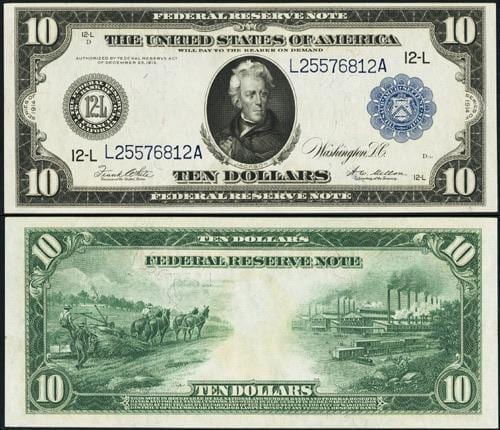
The farmer in the lower left on the reverse is plowing a hemp crop in Pennsylvania. Not only that, the 1914 $10 Federal Reserve Notes – the first of their kind – were printed on hemp paper.
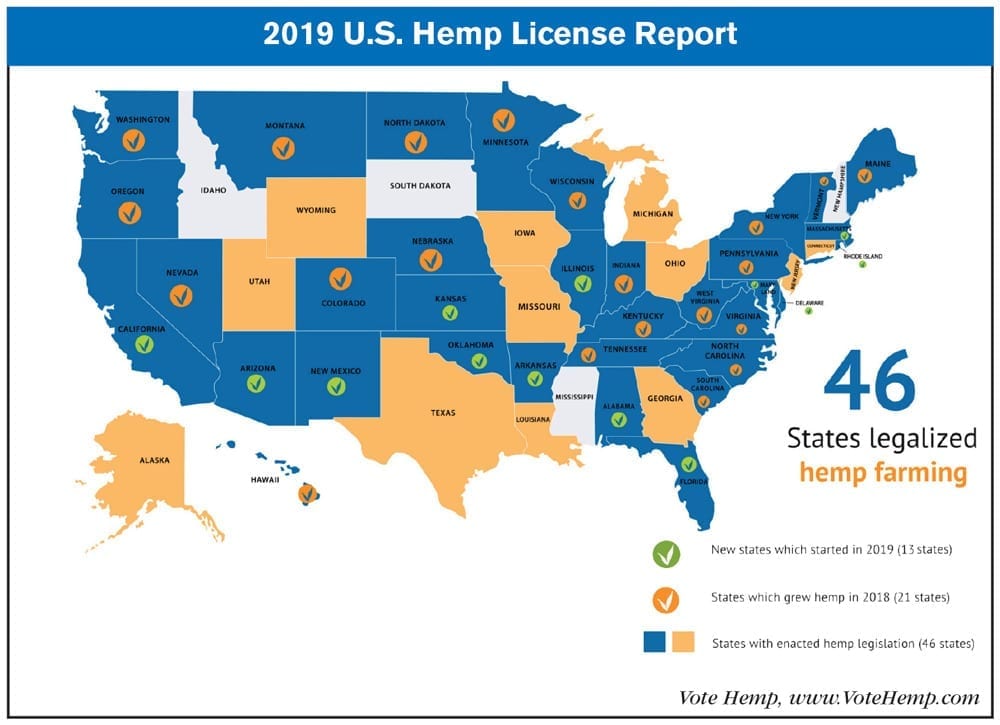
Prohibition of hemp began with the the Marihuana Tax Act of 1937, curtailing the progress of hemp cultivation until the Industrial Hemp Farming Act of 2009, returning the United States to legally cultivating hemp.
Industrial Uses of Hemp
Hemp is a versatile plant with a wide range of industrial uses. It is a strong and durable fiber that can be used to make a variety of products, including:
- Clothing and apparel: Hemp can be spun into a soft and comfortable fabric that is ideal for clothing and apparel. Hemp clothing is naturally breathable and moisture-wicking, making it a good choice for activewear and outdoor clothing.
- Shoes: Hemp can be used to make a variety of shoes, including sneakers, sandals, and boots. Hemp shoes are durable and long-lasting, and they are also environmentally friendly.
- Sails for ships: Hemp has been used to make sails for ships for centuries. Hemp sails are strong and durable, and they are also resistant to rot and mildew.
- Rope and cordage: Hemp is a strong and versatile fiber that can be used to make a variety of rope and cordage products. Hemp rope is often used in marine applications, and it is also used in a variety of other industries, including construction and agriculture.
- Building materials: Hemp can be used to make a variety of building materials, including pressed particle board, insulation, and hempcrete. Hempcrete is a type of concrete that is made from hemp fibers and lime. Hempcrete is strong and durable, and it is also an excellent insulator.
- Paper: Hemp can be used to make a high-quality paper that is strong and durable. Hemp paper is also environmentally friendly, as it requires less energy to produce than traditional paper.
- Soap: Hemp oil can be used to make a natural and effective soap. Hemp soap is gentle on the skin, and it is also biodegradable.
- Fertilizers and mulch: Hemp can be used to make a variety of fertilizers and mulches. Hemp fertilizers are rich in nutrients, and they help to improve soil quality. Hemp mulch helps to suppress weeds and retain moisture in the soil.
- Biofuel: Hemp can be used to make a variety of biofuels, including biodiesel and ethanol. Hemp biofuels are renewable and sustainable, and they can help to reduce our reliance on fossil fuels.
Hemp is a versatile and sustainable crop with a wide range of industrial uses. It is a valuable resource that can help us to reduce our environmental impact and create a more sustainable future.
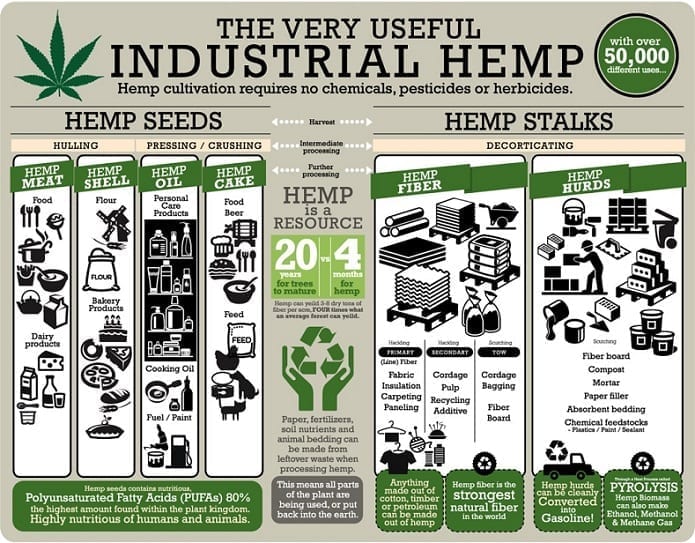
In addition to its industrial uses, hemp can also be used for a variety of other purposes. Hemp seeds are edible and can be used to make a variety of products, including protein powder, oil, and flour. Hemp protein powder is a good source of protein and other nutrients, and it is often used by athletes and fitness enthusiasts. Hemp oil is a healthy and versatile oil that can be used in cooking, baking, and skin care. Hemp flour is a gluten-free flour that can be used in a variety of recipes.
Hemp can also be used to make biofuel. Hemp biofuel is a renewable and sustainable alternative to fossil fuels. Hemp biofuel can be used to power cars, trucks, and other vehicles.
When processed, hemp can be used to make a variety of plastics and other pliable materials. Hemp plastics are strong, durable, and environmentally friendly. Hemp plastics can be used to make a variety of products, including bottles, bags, and furniture.
Hemp is an incredibly versatile plant with a wide range of uses. It is a valuable resource that can help us to reduce our environmental impact and create a more sustainable future.
Here are some additional details about the environmental benefits of hemp:
- Hemp requires less water than other crops, making it a more sustainable choice.
- Hemp can be grown without the use of pesticides or herbicides, making it a more environmentally friendly crop.
- Hemp helps to improve soil quality and reduce erosion.
- Hemp is a renewable resource that can be grown year-round.
Hemp is a truly amazing plant with a wide range of benefits. It is a valuable resource that can help us to create a more sustainable future.
Hemp Oil
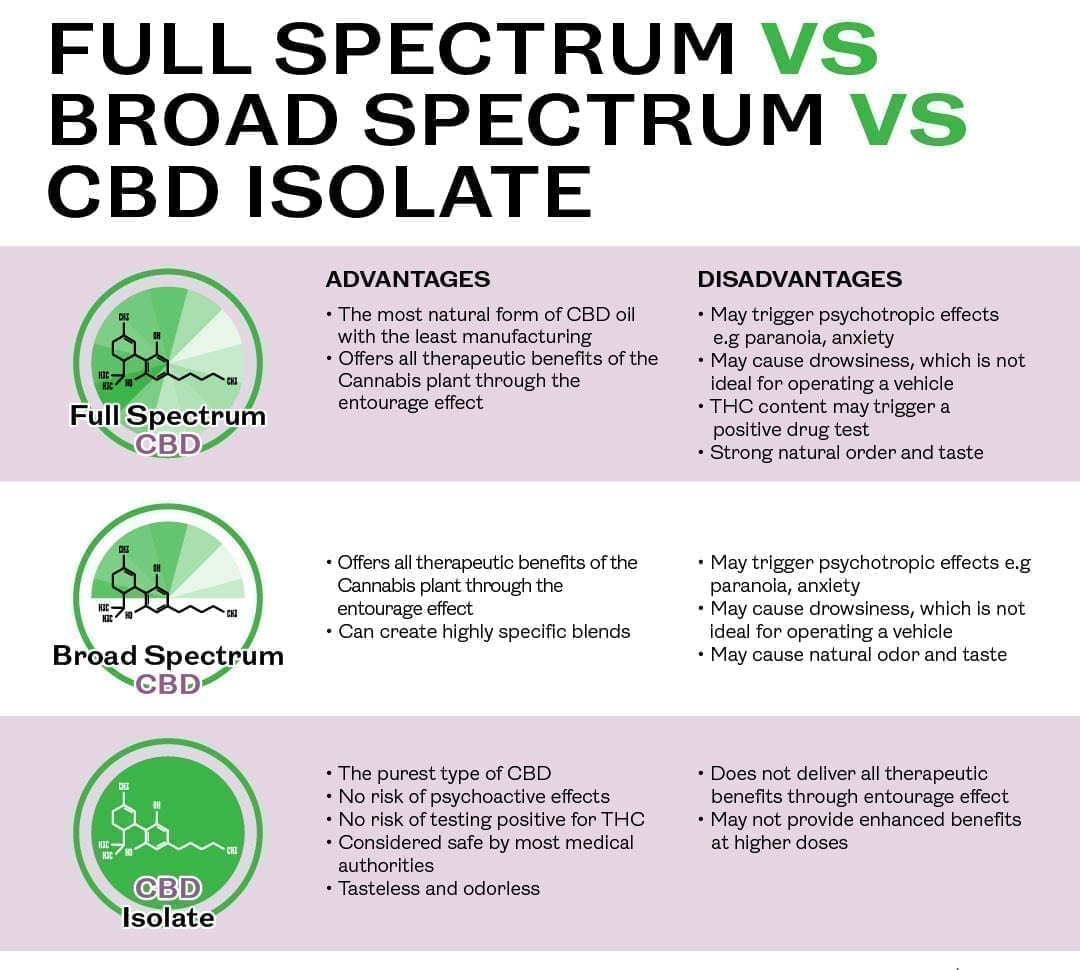
Hemp oil is mostly known for its abundant content of CBD, broadly touted for its medicinal properties. CBD is currently marketed in a wide variety of products, from cosmetics to bath bombs to therapeutic candy to prescription drugs. While there is currently a bit too much hype about CBD as a “wonder drug,” with some quackery entering the culture, the fact of some of its therapeutic and medicinal benefits are well-established.
Hemp is not the same thing as Cannabis!
Hemp and cannabis are both members of the cannabis sativa plant family, but they are distinct varieties. Hemp is a variety of cannabis that is bred to have very low levels of THC, the psychoactive compound that gives marijuana its mind-altering effects. Cannabis, on the other hand, is a variety of cannabis that has higher levels of THC.
Because of this difference, hemp is not considered a controlled substance in the United States. Cannabis, on the other hand, is a controlled substance and is regulated by the federal government. This means that hemp can be grown and sold without a license, while cannabis can only be grown and sold with a license.
The confusion between hemp and cannabis has resulted in a lot of lost opportunity for hemp farmers and businesses. For example, hemp can be used to make a variety of products, including textiles, rope, and paper. However, because of the confusion between hemp and cannabis, many businesses have been reluctant to use hemp in their products. This has prevented hemp from reaching its full potential as a commercial crop.
It is important to understand the difference between hemp and cannabis so that we can make informed decisions about the future of these crops. Hemp is a valuable crop with a wide range of uses, and it should not be confused with cannabis.
Share

Related Articles

What Science Actually Says About the Benefits of CBD
-
Charlotte’s Web CBD Gummies Review
-
What is broad spectrum CBD & why is it different from other CBD types?